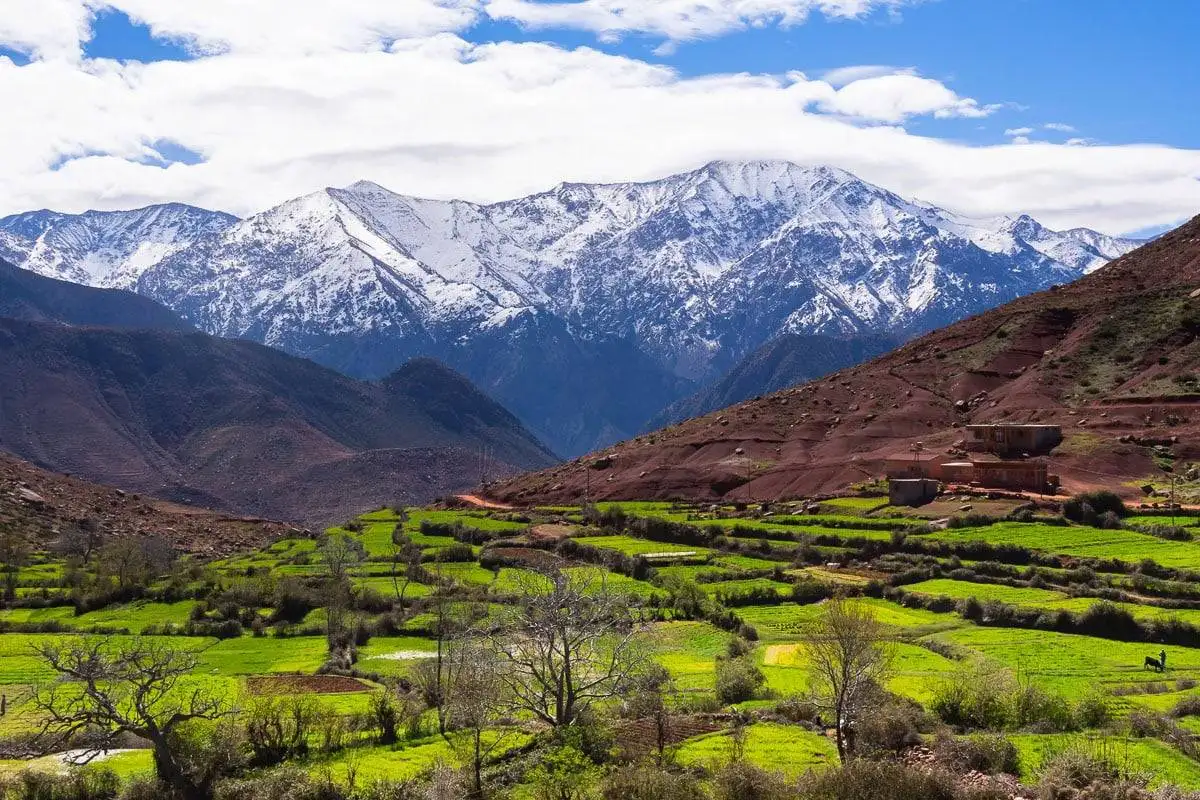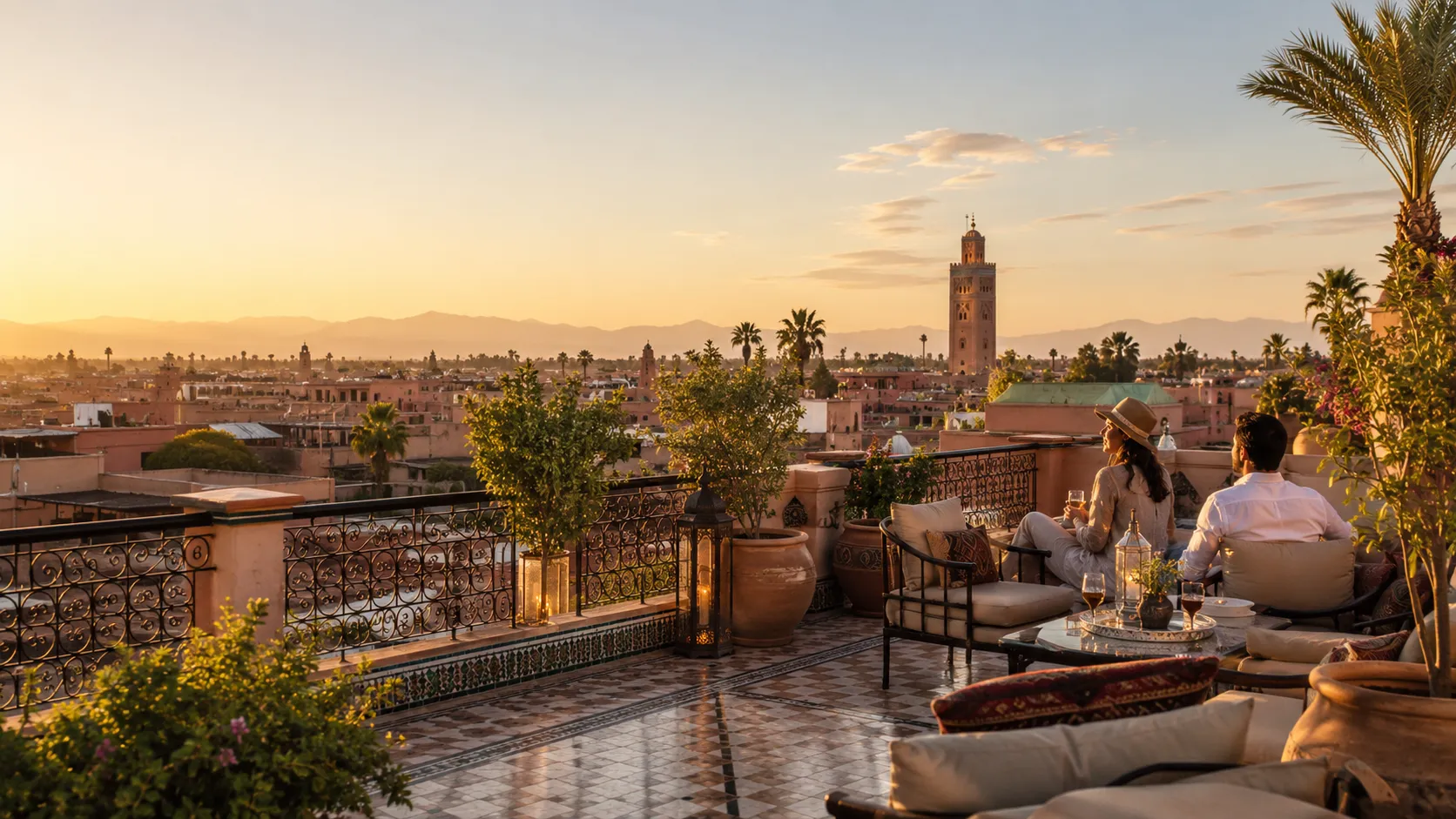
The most useful Morocco travel tips are practical rather than dramatic: verify entry rules for your passport, plan how you will move between cities, carry both card and cash options, dress for climate and context, and leave enough time for medinas, meals, and road journeys.
Confirm passport and visa requirements with an official source, keep your first transfer organized, use licensed or prearranged transport, withdraw dirhams from reputable ATMs, carry modest layers and comfortable shoes, agree prices before optional services, and keep flexibility in any route that crosses mountains or reaches the desert.
What to Check Before You Book
Passport, visa, and entry requirements
Entry rules depend on nationality, passport type, travel purpose, and length of stay. They can change. Check the Moroccan authorities or the official travel advice issued by your own government before buying non-refundable travel. Do not rely on a blog, social post, or an old forum answer as the final source.
Make sure the name on every flight and reservation matches the travel document. Keep digital and paper access to insurance details, accommodation contacts, return or onward travel, and any documentation required for children traveling with one parent or another guardian.
Travel insurance and medical planning
Choose coverage appropriate for your activities and destinations, including remote-road transfers or trekking if planned. Bring enough prescription medication in original packaging, plus a copy of the prescription where appropriate. Ask a qualified health professional about personal vaccination or medical needs; a travel company cannot replace individual medical advice.
Build the route from flights, not wish lists
Casablanca, Marrakech, and Fes are useful gateways, but they are not interchangeable. A morning departure from Casablanca can require an overnight there even if the tour ends in Marrakech. Start by fixing airports and dates, then place the cities and desert around them. The 7-day Morocco itinerary shows how this logic works for a one-way circuit.
Arrival, Airports, and the First Transfer
After a flight, the simplest arrival is a confirmed pickup with the driver's name, phone number, meeting point, destination, and price agreed in advance. This is especially useful when the accommodation is inside a medina and the vehicle cannot reach the door.
Send the exact hotel or riad name and a map link. Different properties can have similar names, and a postal address may not describe the nearest vehicle-access point. If your flight is delayed, communicate through the agreed channel before leaving the airport Wi-Fi.
- Keep the driver's contact details offline or in a screenshot.
- Confirm whether the price is per vehicle or per person.
- State the number and size of bags, not only passenger count.
- Request child seats before the travel date.
- Ask who handles the final walking transfer to a medina riad.
For prearranged airport and intercity transport, review the private Morocco transfer service. A clear pickup plan is worth more than trying to negotiate while tired and connected to unreliable data.
Money, Cards, Cash, and Prices
The Moroccan dirham is used for everyday spending. Cards are common at many hotels, established restaurants, and larger businesses, but cash remains useful in small shops, markets, rural stops, and for minor services. Carry more than one payment method and keep backup cash separate from your daily wallet.
Using ATMs
Use machines attached to reputable banks when possible, protect the PIN, and collect the card, cash, and receipt before stepping away. Your own bank may charge fees or block an unfamiliar withdrawal, so notify it of travel if required. Dynamic currency conversion can present a home-currency amount; understand the offered rate and fees before accepting.
Agree before accepting optional services
Ask the price before a taxi ride, guided add-on, porter service, photograph, or unlisted activity. A polite question prevents most misunderstandings. For private tours, request a written list of inclusions and exclusions: accommodation, meals, local guides, entrance fees, fuel, camp, camel trek, airport transfer, and tips should not be left vague.
Tipping
Tipping is customary in many tourism settings but varies by service and satisfaction. There is no need to treat one online percentage as law. Ask the organizer for current, context-specific guidance if you want to budget in advance, and tip directly when you choose to do so.
Getting Around Morocco
Trains
Trains are useful between several major cities, including combinations of Casablanca, Rabat, Tangier, Fes, and Marrakech. Check current timetables and tickets on the official ONCF platform rather than copying a schedule from a travel article. Rail does not reach Merzouga, Dades, Ait Ben Haddou, Chefchaouen, or many mountain and desert routes.
Private vehicle
A private vehicle is most valuable when the route includes the Atlas, southeast valleys, Sahara, rural day trips, or a one-way Fes-to-Marrakech crossing. It also helps families, groups with luggage, and travelers who want flexible photo and comfort stops. Ask for the vehicle category and luggage capacity in writing.
City taxis and walking
Taxi systems and local practices vary by city. Use official queues where available, ask the accommodation for current guidance, and agree how the fare will be determined. Inside old medinas, walking is often the primary way to move. Maps can help but may not understand covered passages, small alleys, or temporary closures.
Driving yourself
Self-driving offers independence, but it also adds navigation, parking, mountain-road, speed-control, and medina-access responsibilities. Confirm licence, insurance, deposit, breakdown, and cross-region conditions with the rental company. Do not choose self-drive only because online maps show a short-looking distance.
Medinas, Local Guides, and Shopping
A medina is a living district, not an attraction built for visitors. People live, work, worship, deliver goods, and move through narrow streets. Walk to the side when stopping, ask before photographing people, and avoid blocking shopfronts or doorways.
When a local guide helps
Fes benefits especially from a qualified local guide because its medina is large and layered. A good guide does more than prevent wrong turns: they explain urban history, craft production, religious architecture, and how neighborhoods connect. Marrakech is easier to sample independently, but a guide still adds context and helps prioritize limited time.
Shopping without pressure
Browse first, ask questions, and buy only when you are comfortable. Bargaining can be part of market shopping, but it should remain respectful. Do not begin a long negotiation if you have no intention of buying. For carpets, antiques, or high-value goods, understand materials, shipping, returns, customs, and payment documentation before committing.
Unofficial directions
A stranger may offer directions and later expect payment. If you need help, ask your riad, a clearly identified guide, a shopkeeper, or another reliable local contact. Download the accommodation location for offline access and save the nearest accessible gate or square.
Clothing, Language, and Cultural Respect
Morocco is diverse, and dress varies by city, neighborhood, season, and individual. Visitors generally travel comfortably in clothing that covers shoulders and reaches around the knee, with looser layers useful for sun and context. More conservative clothing is appropriate around religious sites and smaller communities.
Non-Muslim access to mosques is limited in many places, with notable exceptions and visitor arrangements depending on the site. Follow posted rules and guide instructions. During Ramadan, many Moroccans fast during daylight; visitors can still travel, but business hours, meal timing, and the pace of the day may change. Dates shift annually, so verify the calendar for your trip.
French and Moroccan Arabic are widely useful, with Amazigh languages important across many regions and English common in parts of tourism. Learning a greeting and a thank-you is appreciated, but respectful tone matters more than perfect pronunciation.
Ask before photographing people, artisans at close range, private interiors, or religious activity. A wide street scene does not automatically make every person in it comfortable being the subject.
Food, Water, Sun, and Personal Health
Moroccan food is a major part of the trip. Introduce unfamiliar foods gradually if you have a sensitive stomach, wash or sanitize hands before eating, and choose busy, reputable places where food turnover is visible. Tell the organizer and accommodation about allergies and dietary needs in advance; explain the ingredient, not only the diet label.
Water advice can vary by location and individual health. When unsure, use sealed bottled or appropriately filtered water and avoid ice unless you are confident about its source. Stay hydrated on road and desert days, but do not wait until the camel departure to drink all the day's water.
Sun exposure is easy to underestimate in cooler air, mountains, or wind. Use sunscreen, a hat, sunglasses, and breathable layers. Heat illness, dehydration, and altitude sensitivity require personal judgment and, when symptoms are concerning, professional medical attention.
Keep travel insurance contacts, essential medical information, and accommodation details accessible. For current public health and safety guidance, consult official sources for your nationality and destination.
What to Pack for Morocco
- Passport and required entry documents
- Travel insurance and medication records
- Comfortable walking shoes with grip
- Modest, breathable layers
- Warm layer for desert and mountain nights
- Light rain shell when seasonally useful
- Sun hat, sunglasses, and sunscreen
- Reusable bottle and hand sanitizer
- Small desert-camp overnight bag
- Power bank and charging adapter
- Offline maps and reservation screenshots
- Backup payment card stored separately
Pack for the full route. Casablanca weather does not predict Merzouga at night, and Marrakech weather does not predict a High Atlas crossing. Use the month-by-month Morocco guide to adjust layers for your dates.
Private Tour Booking Checklist
- Business identity: confirm the company name, working contact details, and who will operate the trip.
- Written itinerary: review every overnight stop, major visit, and estimated route.
- Clear price: understand whether it is per person, per group, or based on occupancy.
- Inclusions: confirm accommodation category, room type, meals, local guides, entrance fees, transport, fuel, camp, and activities.
- Payment terms: request the deposit, balance, cancellation, refund, and change policy in writing.
- Vehicle and driver: state passenger count, luggage, child seats, and accessibility needs.
- Emergency contact: know how to reach the operator during the trip.
- Independent verification: read recent reviews and compare the written offer with the service you intend to buy.
Morocco Happiness Tours lists its team, reviews, contact details, and planning approach on the About page. Explore private Morocco tours or request a tailor-made route when the published itineraries do not match your flights and pace.
Sources and Editorial Checks
This guide was prepared from Morocco Happiness Tours' published routes and checked against the authoritative sources below on . Entry rules, transport schedules, weather, and public guidance can change; verify them again for your travel date.