Morocco is one of the most visited countries in Africa, and most trips here go entirely smoothly. That doesn't mean the question isn't worth asking properly. This guide separates what genuinely deserves your attention from what's just internet noise, based on the same practical concerns real travelers ask us before every trip.
For the large majority of visitors, Morocco is a safe, welcoming destination. The realistic risks are petty theft and low-level tourist scams in busy medinas, not violent crime. The areas that deserve real planning are unfamiliar road conditions in the mountains and desert, and the ordinary precautions any solo or family traveler would take in an unfamiliar city.
The Realistic Picture
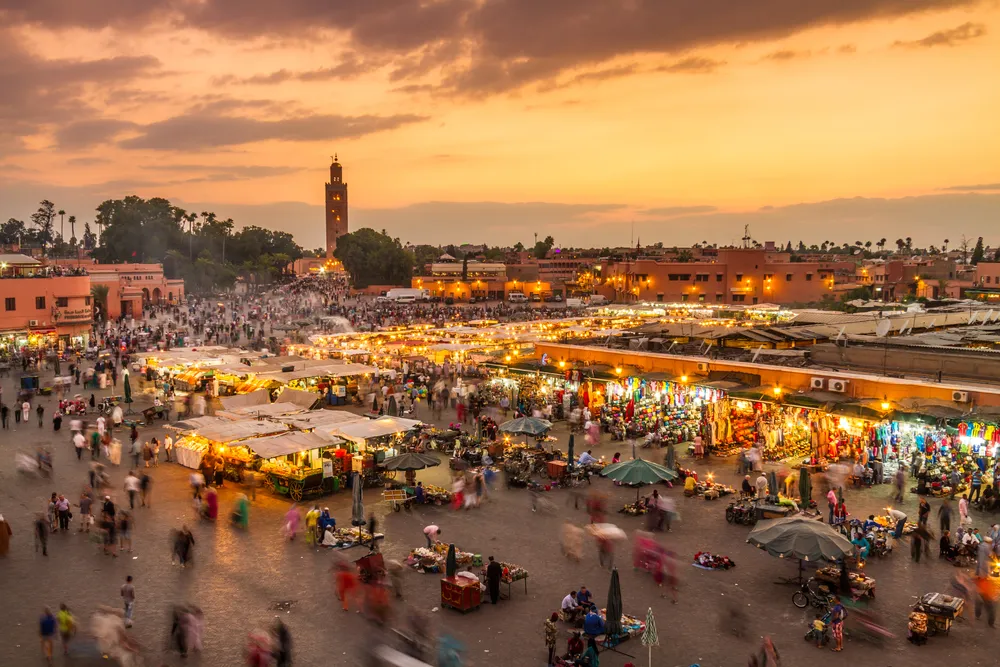
Millions of international visitors travel through Marrakech, Fes, Casablanca, and the Sahara routes every year, and tourism is a major part of Morocco's economy — the country has strong incentive to keep the visitor experience safe and welcoming, and in the tourist-facing parts of major cities, a visible police and tourist-security presence is normal. Morocco is also, by regional standards, one of the more accessible and established destinations for international tourism.
The safety questions that actually come up in practice are rarely about serious crime. They're almost always about being overcharged, being approached by someone offering unsolicited "help," or being unsure about a mountain or desert road at night. All three are manageable with a little preparation, and none of them are reasons to skip the trip.
Travel advisories change, and they differ by nationality, so treat this article as context rather than a substitute for one: check the current official travel advisory for your own country a few weeks before departure, and again shortly before you fly.
Common Tourist Scams, and How to Avoid Them
These are the situations worth knowing about in advance, because recognizing them instantly removes almost all of their effect.
Unofficial "guides"
Near medina entrances, someone may offer to "show you the way" or walk you to a specific shop. They are not affiliated with any official service, and will typically ask for payment afterward, sometimes insistently. A polite, firm "no, thank you" and continuing to walk works in almost every case. If you want a guide, arrange one through your accommodation or tour operator in advance.
Undiscussed prices
In souks and with informal transport, prices are rarely fixed, and the expectation is that you negotiate or confirm a price before the service starts — not after. Ask "how much" before you get in the taxi, before the henna artist starts, before you accept the "free" mint tea that comes with a rug demonstration. If a price wasn't agreed first, you're not obligated to accept whatever is asked afterward, but it's far easier to simply avoid the situation.
Unmetered taxis
Petit taxis are legally required to use a meter within cities; some drivers, especially near tourist sites, will claim the meter is broken. Ask for the meter before you get in, or agree on a fixed price beforehand. Your accommodation can usually tell you the realistic price range for a given route.
Agree on the price before the service starts. It resolves almost every common scam situation on its own.
Solo Travelers and Families
Traveling solo
Solo travel in Morocco, including for women, is common and generally straightforward with the same precautions you'd use in any unfamiliar major city: dress reasonably modestly outside beach or resort areas, keep valuables out of sight in crowded souks, avoid unlit medina alleys alone late at night, and let someone know your general plans for the day. A confident, unhurried pace and a polite decline to unsolicited attention go a long way. None of this is Morocco-specific advice so much as sensible advice for any destination — it just matters slightly more in a dense, unfamiliar medina.
Traveling with children
Morocco is a common and workable family destination. The main practical concerns are the same ones that apply to any dense old-town environment: keep children close in crowded medina alleys where it's easy to lose sight of someone for a moment, plan desert nights with the right layers for children who feel temperature swings more, and check car-seat availability when you book a transfer or tour rather than assuming it. Ask about this directly when you request a quote.
Roads, the Atlas Mountains, and the Sahara
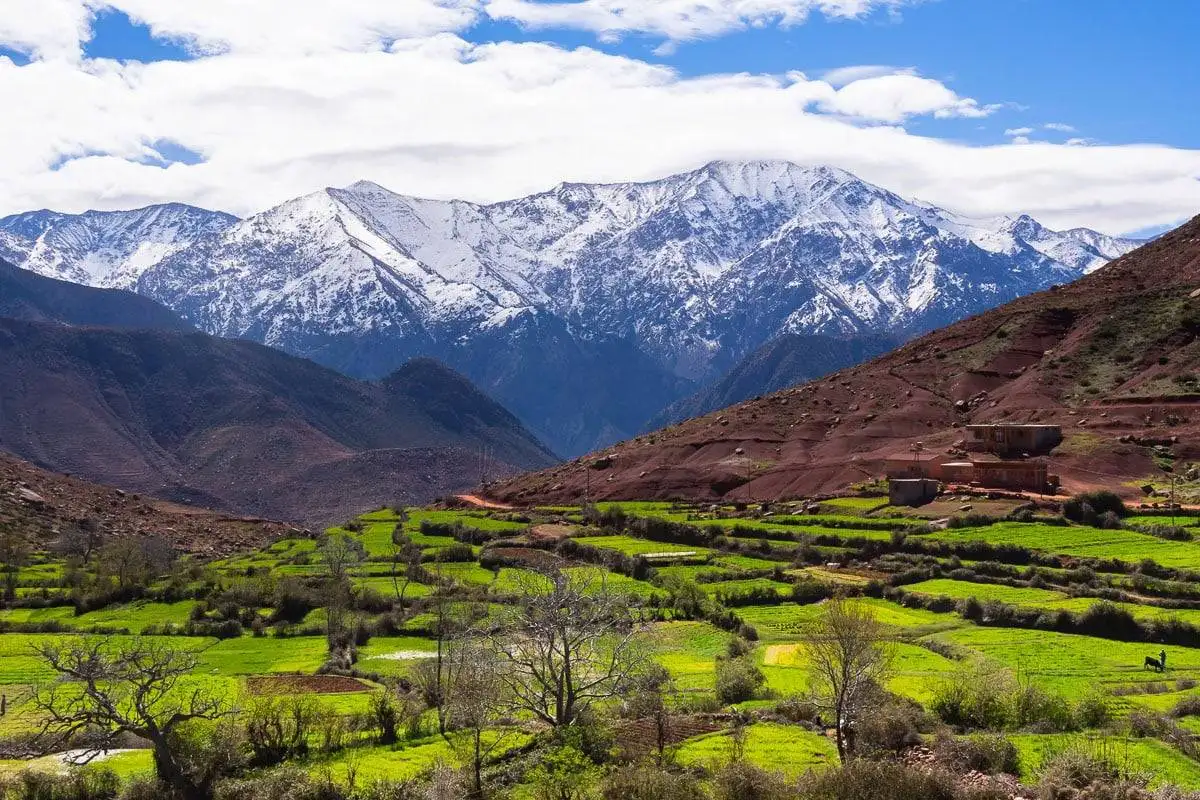
This is the area where planning genuinely changes the experience. Mountain passes through the High Atlas involve switchbacks, occasional weather closures in winter, and driving norms that differ from what many visitors are used to. Desert-route roads can be long, straight, and disorienting after dark, with limited lighting and services between towns.
Self-driving is legal, and some experienced visitors do it. But for a first Morocco trip, and especially for routes that cross the Atlas or reach Merzouga or Zagora, a private, experienced local driver removes most of the actual risk: they know the current road and weather conditions, the realistic timing, and where to stop. This is also simply how Morocco Happiness Tours' own multi-day routes are run — every tour uses a private vehicle with a professional driver-guide, not a shared minibus and not a self-drive rental, specifically because it's the more comfortable and lower-risk way to cover these distances.
If your dates fall in winter, read the best time to visit Morocco guide for month-by-month conditions in the Atlas and the desert before you finalize a route.
Health, Money, and Everyday Practicalities
Health preparation
This is general guidance, not medical advice. Requirements and recommendations depend on where you're travelling from and your own health history, so speak with a doctor or travel clinic 4-6 weeks before departure, carry any regular medication in original packaging with a copy of the prescription, and get travel insurance that covers medical care and repatriation. Tap water in cities is generally treated, but many visitors prefer bottled or filtered water while traveling, particularly in rural and desert areas.
Money
The Moroccan dirham (MAD) is a closed currency — you generally can't obtain it before arrival and can't take large amounts out. ATMs are widely available in cities and airports. Carry a mix of cash for souks, small vendors, and rural areas, and cards for hotels and larger purchases. Avoid changing money with unofficial street vendors.
Staying connected
Local SIM cards are inexpensive and widely available at the airport and in cities, and mobile coverage is generally reliable even in many rural and desert areas. Save your accommodation's address in Arabic or French for taxi drivers, and share your daily plan with someone if you're traveling solo.
What to Check Before You Book
- Is the vehicle and driver private, or shared? A private vehicle means your schedule, your stops, and one point of accountability.
- Is there a real phone number or WhatsApp contact for during the trip? Not just a booking-form email address.
- What happens if weather affects a mountain or desert route? A responsible operator has a real answer, not just a promise.
- Are entrance fees, meals, and the desert camp included or extra? Get this in writing before you pay anything.
- Can they confirm a car seat, dietary need, or mobility requirement in advance? A specific "yes, here's how" is a good sign; a vague "should be fine" is not.
For more first-trip planning, see the full Morocco travel tips guide for first-time visitors, or contact us directly with your dates and questions — we answer these same questions every day.
Sources and Editorial Checks
This guide reflects Morocco Happiness Tours' operating experience and general, widely-established travel-safety practice, checked on . Travel advisories, entry requirements, and local conditions can change — verify current guidance for your own nationality before departure.